How to Tell If Nikes Are Fake: Check If Your Shoes Are Original

Última actualización:
Updated November 2026.
How to check if Nike shoes are original: compare your pair, step by step, with a genuine pair of the same model and colorway. Start with the box label and the size tag, then the Swoosh and other logos, the materials, the stitching, the midsole and outsole, and the tongue label. No single detail proves a pair is real. A genuine pair passes every check, while fake Nike shoes and trainers usually fail several of them at once.
Nike is one of the most counterfeited sneaker brands in the world. From everyday classics like Air Force 1s and Jordans to collaborations with Travis Scott and Off-White, counterfeiters keep getting better at fakes that look convincing, even down to the box and tags. Some replicas come with QR codes that open nike.com and, in China, NFC chips that open a resale platform's page. Neither proves anything. This guide shows how to tell if Nikes are fake, what the codes can and cannot tell you, and what to do if you are still unsure.
30-Second Checklist: How to Tell If Nikes Are Fake
Short on time? Run these eight checks in order. A genuine pair passes all of them, and each point links to the full step below.
- Box label: the model, colorway, size and style code match the shoe inside, with clean printing.
- Size tag: the style code, size and UPC match the box label, and the barcode belongs to this shoe, not another one.
- QR code: it opens a Nike address, and the printed 13-character code has no letter O, I, L or U.
- Swoosh and logos: a clean shape and the right position for the model.
- Stitching: even rows of even stitches.
- Soles: crisp tread and logos, and a clean Air unit where the model has one.
- Tongue label: the font, spacing and size of a genuine label from the same release.
- The seller: clear photos of the tag and box on request, and payment that keeps buyer protection.
1. Inspect the Shoebox and Box Label

The box is the first thing you see, and it is also the easiest part to fake or swap. Start with the label on its end.
The label on the end of a Nike box repeats the shoe's details: the model name, the style code, the size, the colorway and a UPC barcode, and recent labels add a QR code. On a genuine pair in its own box, the UPC on the label matches the one on the size tag, while the box QR carries a different code from the tag QR. Box colours and designs change between lines, years and collaborations, so compare only with a genuine box from the same release. A second sticker from a resale platform is normal, and so is a regional label on pairs sold in Asia. A missing or replacement box is not a sign of a fake.
What to look for:
- A box design that fits the model and release year. Nike, SB, Jordan and collab boxes all differ, so there is no single "right" box colour.
- A label whose model name, colorway, size and style code match the shoe inside
- Clean printing with no spelling errors in the model name or colorway
- Even font, spacing and logo alignment on the label
Worth asking about, but not proof on their own:
- Blurry printing or text that sits unevenly on the label
- A style code or UPC on the box that differs from the size tag. Ask the seller why, since genuine pairs end up in other boxes after returns and resale.
- Missing tissue paper, extra laces or hangtags. Accessories are often lost on resale, and most general releases never had a dust bag.
A perfect label proves nothing either. Searches for Nike box label generators and templates are common, and a counterfeit label can print a real Nike barcode that belongs to another shoe or size. The barcode, the style code and the size must agree. The tag prints the UPC as 14 digits starting 00, while the box label prints the same number as a 12-digit UPC with a small two-digit add-on. Ignore the leading zeros and the add-on when you compare them.
2. Read the Size Tag
The size tag sewn inside the tongue is the busiest label on a pair of Nikes. It shows the size in several systems, the country of manufacture, the style code, a UPC barcode, a short factory code and two dates. Nike has never said what the two dates mean. They are often read as the production window, but that is not confirmed, so treat them only as a rough check that they suit the release. Tags printed from around 2019 often add a QR code, while many genuine older pairs have a barcode only. Counterfeiters copy genuine tags field by field, so a tag that agrees with itself shows the label is consistent, not that the shoes are real.
Use the tag to check consistency. The style code should belong to the model and colorway you are buying, the size should match the box label, and the UPC on the tag should match the one on the box. The two dates should be plausible for the release, but a production date months before the release, or a later date on a restock, is normal. Fakes copy dates and codes, so correct numbers prove only that the labels agree.
The codes on a Nike tag follow a few patterns worth knowing:
- Style code. Current Nike and Jordan footwear codes are two letters and four digits, or six digits on older platforms, then a hyphen and three digits, such as DZ5485-612 or 555088-063. The three digits after the dash name the colorway.
- Colour digit. Nike has never published the scheme, but the first digit after the dash usually follows the first colour in the colorway name: 0 for black or grey, 1 for white or sail, 2 for brown, 3 for green, 4 for blue, 5 for purple, 6 for red or pink, 7 for yellow or gold, 8 for orange and 9 for multi-colour. Exceptions exist, so a mismatch is a reason to check the code, never proof of a fake.
- Kids' sizes. They have their own base style code but share the colour suffix, and their sizes end in Y (big kids) or C (little kids and toddlers). A kids' tag that does not match the men's code is normal.
- Dates. On the genuine tags we have read, the later date fell two to five months before the release. A first date after the release is a question for the seller, unless the pair is a restock.
- Patent line. Recent genuine tags print www.nike.com/patentsvirtualmarking. A misspelt address is one of the details an authenticator compares.
Codes can expose a fake but never prove a pair is real. A fake barcode can pass the standard check digit and still belong to another Nike shoe. Searching the style code on nike.com does not work, because Nike's site search ignores style codes. A Google search shows which shoe a code belongs to, but fakes print real codes, so a match proves nothing. To test the codes on your pair, use our Nike code checker.
3. Does the QR Code Prove Anything?
The QR code on a recent Nike size tag opens an address on qr.nike.com followed by a 13-character code, and the same code is printed beside the QR. It opens a Nike page, not an authenticity check. In our November 2026 test, qr.nike.com logged each scan and sent every well-formed 13-character code, even ones we made up, to the same Nike page. Malformed codes went to the Nike home page. So a scan proves nothing either way, and fakes print working codes too. A QR that opens a site other than nike.com is a strong reason to get the pair checked, and many genuine older pairs have no QR at all. See what a Nike QR code and UPC can show.
Tested in November 2026, qr.nike.com sent every correctly formatted code, including made-up ones, to the same Nike page, with no product details and no verdict. The 13-character code uses digits and every letter except I, L, O and U, and Nike's own server rejects a code that contains one of those four letters. A clear O or U printed in the code is a strong warning sign, while a zero that looks like an O is normal. QR tags were phased in from early 2019, and genuine 2019 to 2020 pairs exist with and without one.
Be especially careful with extra "anti-counterfeit" cards, tags or seals. In 2021 Chinese police seized counterfeit sets of resale-platform certificates, tags, seals and cartons whose QR codes opened fake verification pages. A card or tag with a QR that opens anything other than nike.com is a strong reason to stop.
Chips are no better. Nike uses RFID tags to track stock and has tested NFC chips in a few products, but its retail sneakers offer buyers no chip check (see Nike RFID tags). In 2021, white Air Force 1 replicas were offered in China for about 100 yuan with an NFC chip that opens a resale platform's page. A chip or a scan proves nothing about a pair.
4. Examine the Logo and Branding Carefully

Nike's Swoosh is iconic, and it is hard to copy perfectly. Check the following:
- Swoosh shape: sleek, with a sharp tip, not bloated or jagged. Compare its position and angle with a genuine pair, because both change from model to model.
- Jumpman (on Jordans): centred, with the hands and feet in proportion
- Air Max and Air Force logos: clean, evenly embossed or printed
Poor logo placement, fuzzy edges and misaligned branding are signs of fake Nikes. Some fakes even use the wrong version of a logo for the model. Our Nike Dunks guide shows how much the Swoosh alone can tell you on one model. Collaborations such as sacai pairs have layered or custom logos, so always compare with the same release.
5. Look at the Materials
Nike uses real suede, leather, knit mesh or Flyknit, depending on the model. On fakes, look out for:
- Uppers that look stiff and plastic, or oddly soft and thin, for the model
- Heavy glue showing at the seams
Stiff, plastic-looking uppers are worth a closer look, but leather and suede vary between releases, so compare with a genuine pair or official photos of the same model. Feel alone is not a test on better fakes: one materials lab test of a high-tier fake Jordan 11 found leather thickness and sole hardness close to a genuine pair, and the differences sat in hidden parts that photos cannot show.
Check the whole pair, not one part. In March 2025 Shanghai police broke up a gang that combined genuine soles with fake uppers, and fake soles with genuine uppers, and sold the shoes as limited or custom editions. A genuine tag, box or sole does not prove the rest of the pair is genuine.
6. Analyze the Stitching and Seams
Authentic Nikes usually have:
- Even stitching, doubled in key areas such as around the toe box
- Few or no loose threads
- Smooth curves on the panels and toe overlays
Fake pairs may have crooked lines, missed stitches or stitches of different lengths. Small glue marks and the odd loose thread also turn up on genuine pairs, so judge the overall workmanship, not one flaw.
7. Check the Midsoles and Outsoles

The sole is where Nike's cushioning lives: foam, Air units and Zoom bags. On a genuine pair, look for:
- Midsoles with a clean foam texture and even moulding
- Visible Air units (on Air Max, VaporMax and others) with a clean, even shape
- Outsoles with crisp tread patterns and moulded Nike logos
Fakes often have misshapen Air bubbles and blurred tread or logos on the outsole. Tread depth changes with the mould, the release and wear, so compare it only with a genuine pair of the same release. On the Air Max 97 Off-White "Menta", for example, check the AIR text placement and the shape of the Air bubble. Our Air Max 97 guide shows the same checks on the standard pair.
8. Review the Tongue and Inner Labels
Look at the woven label on the outside of the tongue, then lift the tongue and look inside. Check:
- Correct font, spacing and alignment on the tongue label
- Consistent label size and printing quality
- A size tag that agrees with the box (see Read the Size Tag)
Premium releases such as Travis Scott Jordan 1s or Nike x sacai often have custom tags, and fakes often miss their fine details. Authentic tongues are usually well padded and neatly stitched, while fakes can look flat.
9. Weight and Comfort
Fakes can use heavier, cheaper materials, but weight changes with the size, the materials and the release, so it is not a reliable check. Comfort is no better a test, and neither is smell, because glue odour changes with the factory, the age and the storage of a pair. Fakes turn up both heavier and lighter than genuine pairs. Use these only as a reason to look more closely at the details above.
10. A Note on Blacklight (UV) Tests
Nike has published no UV security mark for its sneakers, and what a blacklight shows varies. Under UV light, stitching guidelines, pen marks or glue can glow on some pairs, genuine and fake, and the result changes with the factory, the materials and the age of the pair. So a mark that glows is not proof of a fake, and a pair that shows nothing is not proof it is real. Use a blacklight only to find details worth a closer look in daylight, then judge the shape, materials, stitching and labels against a genuine pair from the same release.
Made in Vietnam, Indonesia or China: Does It Matter?
Nike does not own the factories that make its shoes. Contract manufacturers build them in 11 countries, and Nike's 2025 annual report says factories in Vietnam, Indonesia and China made about 51, 28 and 17 percent of its footwear. One colorway can come from more than one country, and Nike's own product pages list some models as made in one country for one size range and another country for the rest. So "Made in Vietnam" or "Made in China" proves nothing alone. What matters is that the country, the factory code and the tag layout fit each other and the release, which only a genuine pair from the same release can show.
Buying Nikes on Marketplaces
People often ask whether the Nikes on Shein, Temu, Amazon or Vinted are real. The name of a website does not tell you whether one pair is genuine, because most marketplaces host many different sellers. Check the pair itself. Before you pay, ask the seller for:
- Photos of both shoes from the side, the front and behind
- A close-up of the size tag inside each shoe
- A photo of the box label next to the shoes
- The outsole and the tongue label
Compare the photos with the steps above, and use the platform's own messaging and payment so you keep its buyer protection.
Bought on a resale platform such as StockX or GOAT? Keep the order confirmation, the receipt email and any tag the platform attached. A second sticker from a resale platform on the box is normal. A receipt shows where a pair was bought, but receipts can be edited and a pair can be swapped after delivery, so it does not prove the shoes are genuine. Check the pair itself, and if it fails, the receipt helps your claim.
Where to Buy Genuine Nike Products Safely

The safest sources are:
- Nike.com and the official Nike and SNKRS apps
- Nike stores and authorised retailers such as Foot Locker and JD Sports
- Resale sellers with a long record of reviews and a clear return policy
Be careful with deals that seem too good to be true, sellers who will not send extra photos, and requests to pay outside the platform or by a method with no buyer protection. Always check the seller's reviews, as in the profile above, and compare the price with Nike's retail price.
What to Do If You Bought Fake Nikes
- Contact the seller and ask for a refund or return.
- Keep proof: all messages, the listing and your photos.
- Open a claim with the platform or payment provider you used.
- Have the pair authenticated so you have a result to support your refund request.
- Report the listing to Nike, whose brand protection team handles counterfeit reports.
Nike Guides by Model
Every Nike model has its own details. For a closer check, use the guide for your pair:
- Dunk: Nike Dunk and Dunk Low guide, Dunk High, Dunk Low Panda (SB and collab Dunks are listed in the Dunk guide)
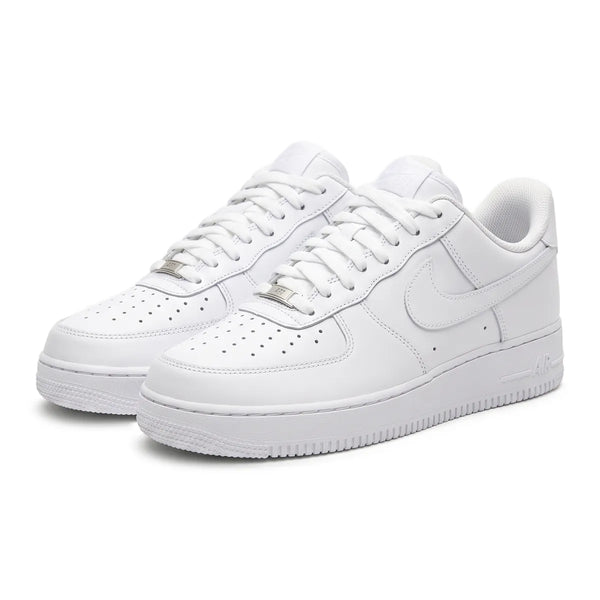
- Air Force 1: Air Force 1 Low White
- Air Max: Air Max 97, Air Max 1/97 Sean Wotherspoon
- Kobe: Kobe 5 Protro, Kobe 6 Grinch
- Collaborations: Air Yeezy 2 Red October, Nike Air Fear of God 1, sacai VaporWaffle, Stüssy Air Zoom Spiridon Cage 2
- Clothing: Nike Tech Fleece tag guide
- Jordan: every Air Jordan model is in our Jordan guides
- Codes: Nike QR code and UPC guide
Frequently Asked Questions
How can I check if my Nike shoes are original?
Compare them with a genuine pair of the same model and colorway: the box label, the size tag, the Swoosh and logos, the materials, the stitching, the soles and the tongue label. A genuine pair passes every check. A single good detail, such as a correct style code or a QR that scans, proves nothing on its own.
How can I tell if Nikes are fake in 30 seconds?
You can rule some out quickly with the 30-second checklist: check that the size tag and box label agree on the style code, size and UPC, look at the QR code, then the stitching and the shape. A mismatch is a reason to ask the seller, not proof of a fake, and a full check takes longer.
Do Nike shoes have a serial number you can check online?
No. Nike shoes have no serial number. The style code names the model and colorway, and the UPC names the size, so both are shared by every pair of that release and size. The 13-character code beside the QR is printed per label, but Nike offers no public lookup for it or for any other code on the tag. What a "serial number check" can do is test whether the codes fit together and fit the shoe, which our Nike code checker does from the codes you type (see Read the Size Tag).
Can I check if my Nikes are real with the QR code?
No. The QR on the size tag opens the same Nike page for any correctly formatted code, made-up ones included, and fakes copy it. A code with the letter O, I, L or U is a warning sign, and many genuine older pairs have no QR at all (see Does the QR Code Prove Anything?).
Is a StockX or GOAT receipt proof that my Nikes are real?
No. A receipt shows where the pair was bought, not what is in the box today. Keep it for any claim, and check the shoes themselves (see Buying Nikes on Marketplaces).
Are Nikes made in China or Indonesia fake?
No. Nike's contract factories in Vietnam, Indonesia and China make about 96 percent of its footwear, so the country alone proves nothing (see Made in Vietnam, Indonesia or China).
Are the Nikes on Shein or Temu real?
The website alone can't tell you. Check the pair you are buying with the steps above and ask the seller for photos first (see Buying Nikes on Marketplaces).
Where are most fake Nikes sold?
Fakes turn up wherever sellers can list without checks: social media sellers, group chats and discount sites with no return policy. Be cautious of sellers with no reviews or who only accept payment methods with no buyer protection.
Do authorized retailers like Foot Locker sell fake Nikes?
Highly unlikely. Foot Locker is an official Nike partner. Be more careful with peer-to-peer resale and with marketplace sellers who present themselves as official.
Conclusion
Counterfeit Nike sneakers are getting harder to spot, but not impossible. Check the labels for consistency, then the logos, stitching, materials and soles against a genuine pair, and never let a code, a QR or a chip settle the question on its own.
If you are still unsure after these checks, send clear photos of both shoes from the side, the front and behind, the Swoosh, the tongue label, the outsole, the size tag inside each shoe and the box label. Since 2019 we have authenticated 2M+ items across all brands. LegitGrails authenticates Nike from photos you upload, with results in under 30 minutes and a digital certificate with every order.
If your Nikes fail any of these steps, send photos to our Nike authentication service.
Artículos relacionados


Kobe 5 Protro Real vs Fake: How to Spot a Fake Pair
7 minute read.


Nike Dunk High Fake vs Real: How to Spot a Fake Pair
10 minute read.

Cómo detectar zapatillas Nike Air Force 1 Low blancas falsas
6 minutos de lectura.

Cómo detectar zapatillas Nike Air Max 97 falsas
6 minutos de lectura.


