 11 Methods
August 2026 · 14 min read
Geben Sie die auf der Rückseite des Gehäuses eingravierte Seriennummer in der Reihenfolge ein, in der sie erscheint. Reihenfolge und Länge sind es, die die Systeme unterscheiden.
Eine Cartier-Seriennummer datiert die Uhr nur, wenn sie vor etwa 2009 gefertigt wurde, und nur, wenn die Nummer lang genug ist, um ein Datum zu tragen. Bis dahin sind die ersten beiden Ziffern die letzten beiden Ziffern des Produktionsjahres, unabhängig davon, ob die Nummer mit einem Buchstabenpräfix beginnt, sodass sich AB94512 und 9412345 beide als 1994 lesen. Eine vier- oder fünfstellige, rein numerische Seriennummer ist das Format vor den 1970ern und codiert überhaupt kein Jahr, und eine sechsstellige hat zwei veröffentlichte Lesarten, die der Checker gemeinsam zurückgibt. Um 2009 wechselte Cartier zu einer randomisierten Seriennummer mit den Ziffern zuerst und zwei nachgestellten Buchstaben, und auch dieses Format trägt kein Datum. Die Reihenfolge der Zeichen und die Länge der Nummer sind es, die die Systeme unterscheiden.
Bei einer Uhr vor 2009 gibt sie Ihnen ein Produktionsjahr, und das ist alles. Sie ist kein Echtheitsbeweis: Seriennummern werden auch auf Fälschungen eingraviert, und Cartier bestätigt diese Regel nicht, daher ist ein Jahr von dieser Seite eine gut belegte Lesart und keine Tatsache vom Hersteller. Zwei der drei Leitfäden dahinter warnen zudem, dass zwei Ziffern allein kein Jahrzehnt festlegen können, weshalb Modell und Werk mit der Antwort übereinstimmen müssen. Ihr eigentlicher Wert liegt im Widerspruch. Eine Seriennummer, die 1994 liest, an einem Modell, das Cartier erst 2015 auf den Markt brachte, ist ein echtes Problem, und genau nach solchen Widersprüchen sucht ein Authentifizierer.
| Epoche | Wie die Markierung aussieht | Beispiel |
|---|---|---|
| Etwa 1980 bis 2008, Buchstaben dann Ziffern | Zwei Buchstaben, dann die beiden Jahresziffern, dann der Rest der Nummer | AB94512 → 1994 |
| Etwa 1970 bis 2008, sechs bis acht Ziffern | Nur Ziffern, sechs bis acht davon, wobei die ersten beiden das Jahr sind | 9412345 → 1994 |
| 1970er bis frühe 1980er, sechs Ziffern, die Vintage-Lesart | Genau sechs Ziffern, keine Buchstaben | 941234 → 1970 bis 1983 |
| Vor den 1970ern, vier oder fünf Ziffern, kein Datum codiert | Vier oder fünf Ziffern, keine Buchstaben | 12345 |
| Die Form Ziffern-dann-Buchstaben, randomisiert | Zuerst Ziffern, dann zwei Buchstaben am Ende | 132798BX |
Zusammengestellt aus professionellem Authentifizierungs-Referenzmaterial und intern geprüft.
| Seriennummernbereich | Jahr |
|---|---|
| 1970er-Jahre | |
| 0 bis 999,999 | 1970 bis 1983 |
Die beiden Ziffern sind nur die LETZTEN ZWEI des Jahres. Sie tragen nicht das Jahrzehnt und nicht das Jahrhundert, und die veröffentlichten Leitfäden sagen das in eigenen Worten: Einer warnt, dass sich dieselben zwei Ziffern alle hundert Jahre wiederholen und dass Sie die Design-Epoche des Modells, das Gehäusematerial und das Werk hinzuziehen müssen, um die Frage zu klären, ein anderer, dass Sie selbst dort, wo die Regel gilt, noch das ungefähre Jahrzehnt brauchen, um eine Uhr von 1994 von einer von 1984 zu unterscheiden. Was es einengt, ist die Form der Nummer. Eine vier- oder fünfstellige, rein numerische Seriennummer ist das Format vor den 1970ern und trägt überhaupt kein Jahr. Eine sechsstellige hat zwei veröffentlichte Lesarten, und dieser Checker gibt beide zurück, mit der Frage, die sie trennt: Sehen Modell, Gehäuse und Werk nach dem Jahr aus, das die Ziffern angeben, oder nach einem Vintage-Stück?
Eine Cartier-Referenz ist keine Seriennummer und trägt kein Datum. Die vollständige moderne Referenz, in der Form CRWSSA0089 geschrieben, ist überhaupt nicht auf der Uhr eingraviert: Der Gehäuseboden trägt eine vierstellige Gehäusenummer, die das Modell identifiziert und von jedem Exemplar davon geteilt wird, und die Seriennummer, die für Ihre Uhr einzigartig ist. Ein Händler-Leitfaden veröffentlicht den Buchstabenschlüssel unten. Keine zweite Quelle hat ihn bestätigt, und Cartier hat nie einen veröffentlicht, lesen Sie ihn also als Hinweis und nicht als Regel. Für Brillen und Schmuck gibt es kein Äquivalent zum Nachschlagen: Diese Markierungen identifizieren Modell, Größe und Metall, und keine veröffentlichte Quelle gibt für eines von beiden einen Jahresschlüssel an.
| Teil der Referenz | Wie ein Händler-Leitfaden es liest |
|---|---|
| CR | Cartier-Referenz. Sie steht technisch am Anfang jeder modernen Referenz, und Sammler ignorieren sie, daher sind CRWSSA0089 und WSSA0089 dieselbe Uhr. |
| W | Das W bedeutet einfach Watch. |
| Das nächste Zeichen | Das Gehäusematerial: S Stahl oder Titan, G Gold, J Schmuck, meist Gold mit Diamanten, 2 Zweifarbig, H High Horology, P Platin. |
| Die beiden danach | Die Modellfamilie: SA Santos, TA Tank, BB Ballon Bleu, PA Pasha, BA Baignoire, BL Ballon Blanc, CH Crash, CL Clé de Cartier, HY Hypnose, NM Drive, PN Panthère, RO Rotonde. |
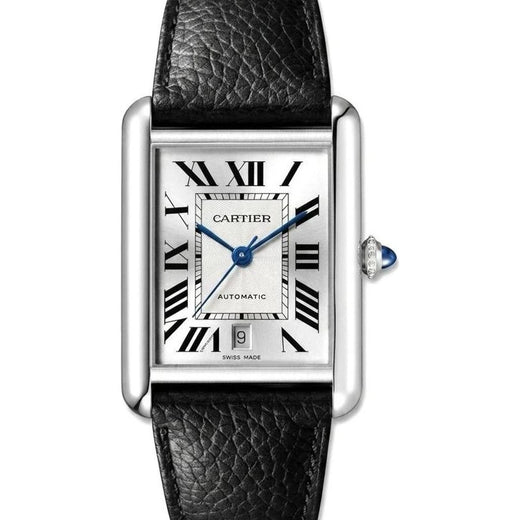
Bei fast jeder Cartier-Uhr ist die Seriennummer auf der Außenseite des Gehäusebodens eingraviert, am unteren Rand oder rund um den äußeren Rand, sodass zum Lesen nichts geöffnet werden muss. Die vierstellige Gehäusenummer ist dort ebenfalls eingraviert, und welche der beiden über der anderen sitzt, hängt vom Modell ab: Bei einer modernen Tank steht die Seriennummer unter dem Gehäusecode, über oder neben der Zeile SWISS MADE, während sie bei einer Ballon Bleu am äußeren Rand entlangläuft, mit der Modellnummer in der Mitte. Manche Modelle tragen sie zwischen den Bandanstößen, sodass das Armband abgenommen werden muss, oder auf dem inneren Gehäusering. Vintage-Tank-Louis-Cartier-Uhren und andere frühe Tanks tragen ihre Nummern oft im Inneren des Gehäuses, nur mit abgenommenem Boden sichtbar, manchmal als Teil einer längeren, kombinierten Referenz- und Seriennummer.
Zwei Ausnahmen deckt unsere Beschreibung je Epoche nicht ab. Manche aktuellen Santos-de-Cartier-Exemplare tragen die Gravur an der Gehäuseflanke oder im Bandanstoßbereich statt in der Mitte des Gehäusebodens, allerdings sagt das nur ein Leitfaden, und eine erneute Suche am 2026-09-26 fand keinen zweiten. Und bei einigen Uhren steht die Nummer stattdessen auf dem Werk, was einen Uhrmacher erfordert. Keine veröffentlichte Quelle dokumentiert eine Cartier-Markierung unter dem Armband selbst.

Innen im Bügel, gelegentlich auch auf der Brücke: eine präzise geätzte Folge von etwa sieben bis zehn Zeichen. Derselbe Bügel trägt die Modellnummer, den Größencode und eine Herkunftsangabe wie Made in France.
Diese Nummern identifizieren Modell, Farbe und Größe. Uns ist keine Cartier-Brillennummer bekannt, die ein Datum codiert, und keiner der beiden Leitfäden, die diese Markierungen im Detail beschreiben, erwähnt eines, daher gibt dieser Checker für Brillen kein Jahr zurück, und keine Tabelle veröffentlicht irgendwo eines. Es gibt auch keine öffentliche Datenbank, in der sich eine Brillenseriennummer nachschlagen ließe: Nur Cartier oder ein autorisierter Händler kann sie bestätigen.
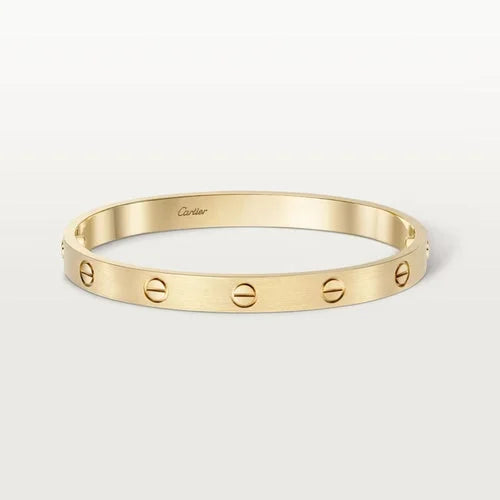
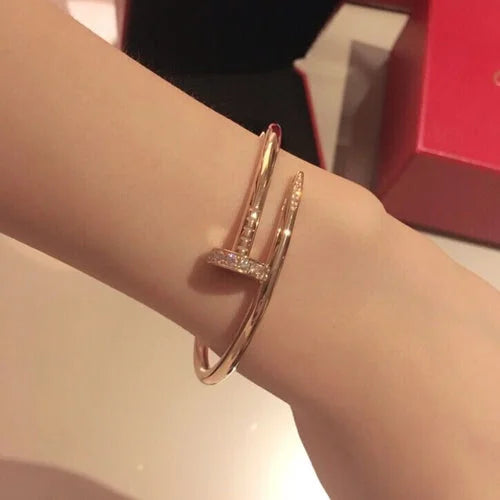
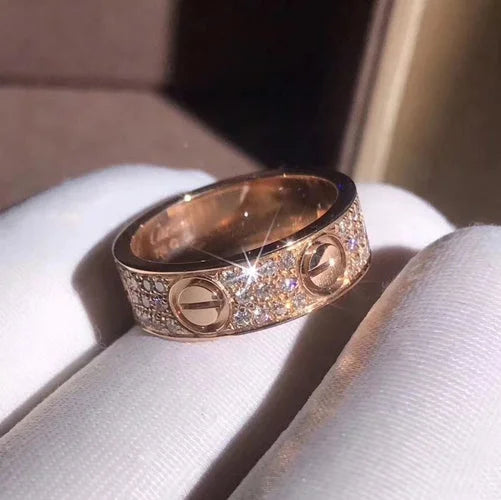
Im Inneren des Bandes. Bei einem Love-Armband ist die Seriennummer auf der Innenfläche eingraviert, neben dem Wort Cartier, der Feingehaltspunze, 750 für 18-karätiges Gold oder 950 für Platin, und der Größe. Love-Armbänder tragen seit 1974 eine Seriennummer, in drei veröffentlichten Formen: ein Buchstabe und fünf Ziffern, zwei Buchstaben und vier Ziffern, oder drei Buchstaben und drei Ziffern. Bei einem Juste-un-Clou-Armband oder einem Ring sitzt die Seriennummer auf der Innenseite des Armbands oder der Ringschiene, neben derselben Punze und der Cartier-Signatur.
Keiner der vier konsultierten Schmuck-Leitfäden liest irgendeinen Teil dieser Gravur als Jahr, und keiner ordnet eine der drei Seriennummernformen einer Periode zu, daher gibt dieser Checker für Schmuck kein Jahr zurück. Was die Markierung leistet, ist, das Stück zu identifizieren und sein Metall zu bestätigen.
Ein Cartier-Feuerzeug trägt seine Seriennummer auf dem Boden eingestanzt, neben Cartier Paris und Swiss Made. Ein Cartier-Füllfederhalter trägt eine eingravierte Seriennummer aus vier bis sechs Ziffern, meist auf dem Ring des Schafts oder der Kappe.
Keines von beiden lässt sich anhand dieser Nummer datieren. Die Fachhändler-Listings, die tatsächlich ein Jahr angeben, nehmen es von einer separaten Datumsmarkierung auf der Kappe und nicht von der Seriennummer, und die Seite eines Fachhändlers für Vintage-Feuerzeuge enthält überhaupt keine Datierungsangabe. Unser Material zu beiden sind Händler-Angebote und keine Referenzseiten, lesen Sie die Formate also als Beobachtung.
Drei normale Gründe. Der wahrscheinlichste ist, dass die Uhr aus 2009 oder später stammt. Cartier randomisierte seine Seriennummern etwa ab da, und es steckt kein Datum mehr darin, daher kann keine Tabelle und kein Tool eines liefern, und alles, was es doch tut, erfindet es. Prüfen Sie die Reihenfolge der Zeichen: zuerst Ziffern mit zwei Buchstaben am Ende ist das moderne Format. Der zweite Grund ist eine kurze Nummer, vier oder fünf Ziffern ohne Buchstaben, das ist das Format vor den 1970ern und wurde nie mit einem Jahr codiert. Der dritte ist das Paar 09 selbst, das Übergangsjahr, das kein veröffentlichter Leitfaden genau festlegt, daher lehnt der Checker es ab, statt zu raten. Die Form der Nummer ist übrigens ein schwächeres Signal, als die Leitfäden nahelegen: Katalogisierte Cartier-Uhren von etwa 2000 und etwa 2008 tragen bereits Ziffern mit zwei nachgestellten Buchstaben, diese Form bedeutet also, dass es kein Jahr zu lesen gibt, und nicht, dass die Uhr neu ist. In jedem Fall stammt das Datum von der Garantiekarte oder dem Boutique-Beleg. Cartier selbst führt die Unterlagen und veröffentlicht sie nicht: Die eigenen Garantieseiten beschreiben die International Guarantee und die Garantiekarte und bieten keine Seriennummernabfrage, keinen Produktionsdatum-Service und keinen Archivauszug an. Fremdanbieter-Leitfäden verweisen auf eine Boutique oder ein autorisiertes Servicecenter, und das ist deren Vorschlag und kein von Cartier angebotener Dienst.
Was uns tatsächlich zum Thema Seriennummer von Cartier gefragt wird, beantwortet vom Team, das sich beruflich damit befasst.
Auf fast allen von ihnen auf der Außenseite des Gehäusebodens eingraviert, sodass Sie die Uhr anders als bei einer Omega nicht öffnen müssen, um sie zu lesen. Die vierstellige Gehäusenummer ist dort ebenfalls eingraviert, und welche über der anderen steht, hängt vom Modell ab: Bei einer modernen Tank steht die Seriennummer unter dem Gehäusecode nahe der Zeile SWISS MADE, bei einer Ballon Bleu läuft sie am äußeren Rand entlang mit der Modellnummer in der Mitte. Manche Modelle tragen sie stattdessen zwischen den Bandanstößen oder auf dem inneren Gehäusering, und frühe Tank-Uhren tragen sie oft im Inneren des Gehäuses, nur mit abgenommenem Boden sichtbar.
An der Reihenfolge der Zeichen, und mit weniger Zuversicht, als die veröffentlichten Leitfäden ihr zusprechen. Vor 2009, so die Leitfäden, stehen die Buchstaben zuerst oder es gibt gar keine, wie bei AB94512; ab etwa 2009 stehen die Ziffern zuerst mit zwei nachgestellten Buchstaben, wie bei 132798BX. Genau diese Reihenfolge liest dieser Checker zuerst, und deshalb erhält eine Seriennummer mit nachgestellten Buchstaben kein Jahr. Rückwärts funktioniert das aber nicht. Auktionskataloge verzeichnen die Form Ziffern-dann-Buchstaben an Cartier-Uhren, die um 2000 und um 2008 datiert werden, die Form sagt Ihnen also, dass kein Jahr in der Nummer steckt, statt Ihnen zu sagen, dass die Uhr neu ist. Für ein tatsächliches Datum leisten die Garantiekarte und die Produktionsepoche des Modells selbst die Arbeit.
Die ersten beiden Ziffern, nach einem etwaigen Buchstabenpräfix, sind die letzten beiden Ziffern des Jahres. 94 ist 1994, 00 ist 2000, 08 ist 2008. Was diese beiden Ziffern allein nicht können, ist das Jahrzehnt oder das Jahrhundert festzulegen, und zwei der drei Leitfäden hinter dieser Seite sagen das unmissverständlich: einer, dass sich dasselbe Paar alle hundert Jahre wiederholt, der andere, dass Sie noch das ungefähre Jahrzehnt des Modells brauchen, um eine Uhr von 1994 von einer von 1984 zu unterscheiden. Länge und Form der Seriennummer engen es ein, und Modell, Gehäuse und Werk klären es endgültig. Dieser letzte Schritt zählt mehr, als es klingt, denn ein Jahr, das diese Seite zurückgibt, sollte innerhalb der Jahre liegen, in denen Ihr Modell tatsächlich gefertigt wurde. Ist das nicht der Fall, trägt die Nummer kein Datum. Auktionskataloge, die einzige öffentliche Quelle für datierte Cartier-Gehäusenummern, zeigen das Zwei-Ziffern-Jahr-Muster in ihren eigenen Aufzeichnungen nicht sichtbar, was der stärkste Grund ist, ein Jahr von dieser Seite als abzugleichende Lesart und nicht als Tatsache zu behandeln. Die Tabelle endet außerdem bewusst bei 08, weil 2009 das Übergangsjahr ist und keine Quelle es genau festlegt.
Weil das das Format vor den 1970ern ist und nie mit einem Jahr codiert wurde. Der Leitfaden, der diese Form dokumentiert, ist eindeutig: vier bis fünf Ziffern, keine Buchstaben, nur fortlaufend, kein Jahr in der Nummer. Der Leitfaden, der die Jahrestabelle veröffentlicht, siedelt die von ihm behandelten Seriennummern bei sechs bis zehn Zeichen an, sodass eine kurze Nummer unter dem Bereich liegt, den diese Tabelle abdeckt. Ein Tool, das für eine vier- oder fünfstellige Cartier-Nummer selbstbewusst ein modernes Jahr zurückgibt, liest eine Produktionssequenz als Datum. Solche Uhren werden anhand des Modells, des Gehäuses, des Werks und etwaiger erhaltener Unterlagen datiert.
Grundsätzlich schon, nur nicht über etwas, das Sie per Seriennummer anfordern können. Cartier führt seine Produktionsunterlagen intern und veröffentlicht keine davon, und nichts Öffentliches, auch diese Seite nicht, hat Zugriff darauf. Halten wir genau fest, was Cartier tatsächlich anbietet: Die eigenen Garantieseiten decken die International Guarantee ab, die nur für Stücke gilt, die in einer Cartier-Boutique, einer E-Boutique, per Telefonverkauf oder bei einem offiziellen Händler gekauft wurden, sowie die Garantiekarte, die der Bestellung beiliegt. Es gibt darauf keinen Archivauszug, keine Produktionsdatum-Abfrage und kein Produkt zur Seriennummernprüfung. Anders als Omega, Longines oder Jaeger-LeCoultre verkauft Cartier nichts dergleichen. Fremdanbieter-Leitfäden schlagen vor, die Uhr zu einer Boutique oder einem autorisierten Servicecenter zu bringen, was ihr Vorschlag ist und kein Cartier-Service. Die Karte und der Beleg sind die Unterlagen, die das Datum tragen.
Nein. Die Referenz identifiziert Modell, Gehäuse und Zifferblatt, und sie codiert kein Produktionsjahr. Die Seriennummer ist die individuelle Nummer dieser einen Uhr. Beide werden oft verwechselt, und die Eingabe einer Referenz hier liefert kein Datum.
Nein. Fälschungen werden mit Seriennummern versehen, oft solchen, die sich zu einem plausiblen Jahr entschlüsseln lassen, weil die Regel auf dieser Seite öffentlich ist. Schlimmer noch: Es sind Fälscherwerkstätten dokumentiert, die echte Seriennummern von öffentlich verkauften echten Uhren übernommen und auf Fälschungen graviert haben, sodass eine Nummer, die sich einwandfrei entschlüsseln lässt, auch zu einer ganz anderen Uhr gehören kann. Schwer zu fälschen ist die Übereinstimmung zwischen Seriennummer, Referenz, Werk und Gehäuseverarbeitung, und genau das prüft ein Experten-Check.
Nur bei Uhren, und das ist keine Lücke, die sich schließen ließe. Die Regel dieser Seite ist eine Uhren-Seriennummernregel. Ein Love-Armband oder ein Juste un Clou trägt eine Seriennummer im Inneren des Bandes neben der Metallpunze und der Größe, und Cartier-Brillen tragen eine Seriennummer mit Modellnummer und Größencode im Bügel, aber keine veröffentlichte Quelle liest aus einem von beiden ein Jahr, und kein Händler oder Authentifizierer veröffentlicht überhaupt eine Jahrestabelle für Cartier-Schmuck oder -Brillen. Cartier hat sein Seriennummernsystem nie veröffentlicht: Was für die Uhren existiert, ist Sammlerarbeit, und für diese anderen Produkte existiert nicht einmal das. Wo jede Markierung sitzt, steht oben. Alles, was aus einem Cartier-Armband oder einer Cartier-Brille ein Produktionsjahr zurückgibt, hat es erfunden.
Ein Code schränkt die Möglichkeiten ein. Diese Leitfäden behandeln, was er nicht kann: das Werk, den Zifferblattdruck und die Gehäuseverarbeitung an einem echten Cartier. Anton K., unser Leitfadenautor seit 2019, stützt jede Methode auf das, was unsere Authentifizierer an über 2 Millionen echten Artikeln dokumentiert haben. Lesen Sie seine Cartier-Leitfäden, oder durchstöbern Sie die vollständige Bibliothek kostenloser Leitfäden zu mehr als 100 Luxusmarken.
11 Methods
 2 Methods
7 minute read.
 12 Methods
7 minute read.
 3 Methods
7 minute read.
 10 Methods
6 minute read.
 12 Methods
6 minute read.
 18 Methods
7 minute read.
Expertenauthentifizierung erhalten
>99.89% Genauigkeit · 2M+ geprüfte Artikel