 11 Methods
September 2026 · 11 min read
Einige Häuser nennen es Date Code, andere Seriennummer, und Hermès prägt stattdessen einen einzelnen Buchstaben in das Leder. Diese Seite ist der Vergleich: Für jede Marke sehen Sie, wie die Markierung heißt, ob sie ein Jahr angibt und wo sie am Artikel sitzt, und öffnen dann den Prüfer dieser Marke, um Ihren eigenen zu lesen. Ein Code kann ein Stück in seiner Produktionsserie verorten, beweist aber nie, dass der Artikel echt ist.
Der Buchstabe des Blindstempels und sein Rahmen geben das Jahr an. Rahmen endeten 2014.
Die letzten vier Ziffern tragen Monat und Jahr, verschachtelt. Codes begannen 1997.
Die Seriennummer gibt Stil und Fabrik an. Der Code des schwarzen Etiketts gibt das Jahr seit 2014 an.
Der Date Code: zwei Buchstaben für das Land, vier Ziffern für das Datum. Endet 2021.
Ein Buchstabe auf dem Innenetikett gibt Saison und Jahr an, bei Taschen ab 2003.
Die Art der Markierung ordnet die Epoche zu. Für die Seriennummer selbst gibt es keine veröffentlichte Lesart.
Seriennummernreihen geben ein Zeitfenster von ein bis zwei Jahren an. Ein Chip ersetzte sie 2021.
Fortlaufend bis 1987, danach ein Buchstabenpräfix. Ab 2011 randomisiert.
Der Creed-Patch gibt Monat und Jahr an, daher lässt sich 1994 bis 2006 auf den Monat genau datieren.
Stil, Material und Charge. Das Datum stand auf der Karte, nie in der Nummer.
Das ältere vierteilige Etikett endet mit dem Jahr. Die spätere einzeilige Version nicht.
Die letzten vier Ziffern geben Monat und Jahr an, bei Taschen seit der Umbenennung 2012.
Drei Buchstaben, dann sechs Ziffern: zwei geben den Monat an, vier das Jahr.
Bei einer Uhr vor 2009 sind die ersten beiden Ziffern das Jahr. Spätere sind zufällig.
Eine Reihe seit den 1890er-Jahren. Zwei Tabellen widersprechen sich, daher ist die Antwort ein Zeitfenster.
Ein einzelner Buchstabe auf dem Gehäuseboden gibt das genaue Jahr von 1998 bis 2023 an.
Eine Reihe seit 1867, bis 1969 Jahr für Jahr veröffentlicht, daher sind die Antworten präzise.
Fortlaufend seit 1868, das ergibt ein Zeitfenster für alles bis etwa 1975.
In Kaliberblöcken vergeben, daher deckt eine Seriennummer ehrlicherweise drei bis acht Jahre ab.
Fortlaufend seit 1755, doch die Aufzeichnungen sind lückenhaft und manche Jahre interpoliert.
Zusammengestellt aus professionellem Authentifizierungs-Referenzmaterial und intern geprüft. Eine Marke erscheint hier erst, wenn verifizierte Referenzdaten hinter ihrem Prüfer stehen, weshalb diese Liste kürzer ist als die Liste der Marken, die wir authentifizieren.
Wie jeder Code heißt, ob er ein Datum enthält und wo Sie ihn finden. Jede Zeile sind dieselben Referenzdaten, mit denen der Prüfer dieser Marke arbeitet.
| Marke | Wie der Code heißt | Gibt ein Jahr an? | Wo er sitzt |
|---|---|---|---|
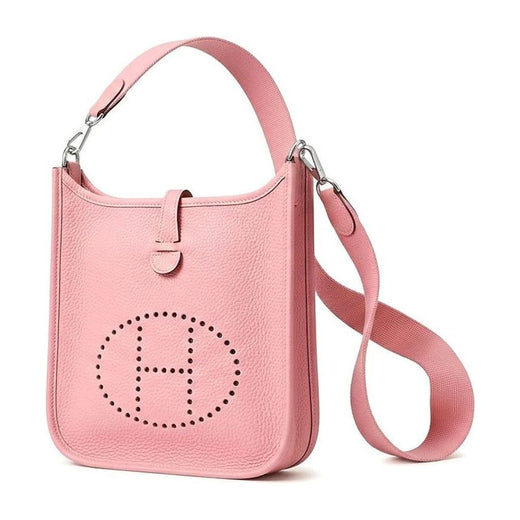
| Hermès | Blindstempel | Ja | Bei einer Birkin oder einer Kelly saß der Stempel bei jedem vor 2015 gefertigten Stück auf der Unterseite des Schlossriemens, also auf der Lasche, durch die der Riemen geführt wird |
| Dior | Date Code | Ja | Meist auf der Rückseite des inneren Lederetiketts gestempelt, sodass Sie das Etikett anheben oder umdrehen müssen, um ihn zu lesen |
| Gucci | Seriennummer | Ja | Eine Gucci-Tasche trägt zwei getrennte Markierungen, und Sie müssen wissen, welche Sie vor sich haben |
| Louis Vuitton | Date Code | Ja | Ins Leder oder Futter gestanzt oder heißgeprägt statt auf ein Etikett gedruckt |
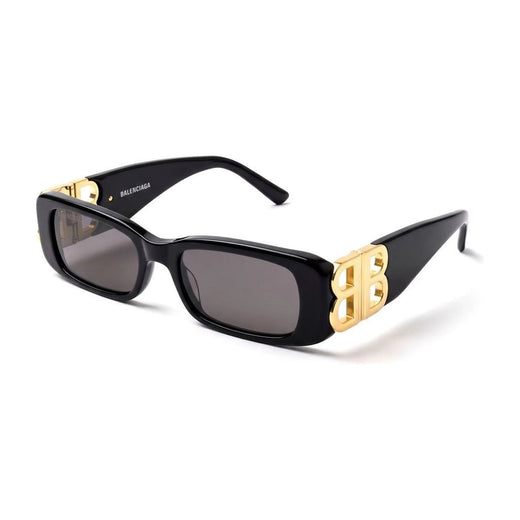
| Balenciaga | Buchstabe auf dem Innenetikett | Ja | Auf dem kleinen Innenreferenzetikett, oft hinter der großen Leder-Logolasche, in einer Innentasche oder entlang einer Naht |
| Fendi | Seriennummer | Nur die Epoche | Auf der Rückseite des inneren Leder-Markentags, aufgedruckt oder eingeprägt über eine, zwei oder drei Zeilen |
| Chanel | Seriennummer | Nur die Epoche | Auf einem Aufkleber im Inneren der Tasche, meist unter der Klappe oder in einer Tasche und durch eine Klarsichtfolie geschützt, oft auf demselben Bereich wie der Heißstempel CHANEL MADE IN ITALY |
| Rolex | Seriennummer | Nur die Epoche | Bei Uhren bis Mitte der 2000er Jahre ist sie zwischen den Bandanstößen auf der Seite bei 6 Uhr eingraviert, unter dem Armband, das Armband muss also bewegt werden, um sie zu lesen |
| Coach | Creed-Nummer | Ja | Im Inneren der Tasche, auf dem Creed: dem rechteckigen Lederpatch, das ins Futter eingenäht ist und den Coach-Absatz trägt |
| Prada | Seriennummer | Nein, der Code enthält kein Datum | Im Inneren der Tasche, auf einem kleinen weißen, ins Futter eingenähten Etikett, meist nahe der Reißverschlusstasche oder entlang einer Innennaht |
| Bottega Veneta | Seriennummer | Ja | Auf einem schmalen, papierartigen Etikett, das in das Futter eingenäht ist |
| Saint Laurent | Seriennummer | Ja | Auf einem rechteckigen Lederetikett, ins Futter eingenäht, meist nahe dem oberen Reißverschluss und aus demselben Leder wie die Tasche geschnitten, sodass es in einem dunklen Innenraum leicht zu übersehen ist |
| Goyard | Seriennummer | Ja | In den Lederbesatz im Inneren der Tasche eingestempelt, und die Position variiert stärker als bei anderen Häusern |
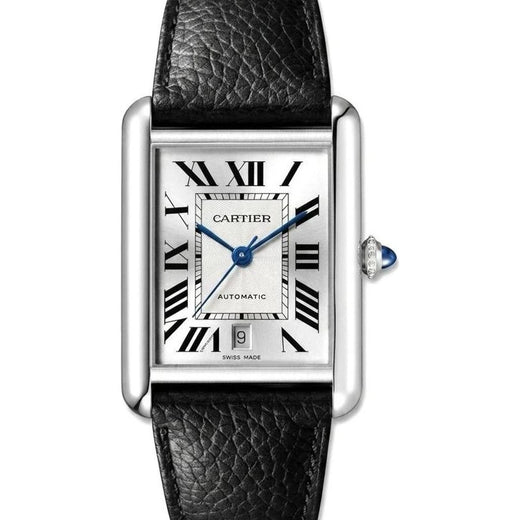
| Cartier | Seriennummer | Ja | Bei fast jeder Cartier-Uhr ist die Seriennummer auf der Außenseite des Gehäusebodens eingraviert, am unteren Rand oder rund um den äußeren Rand, sodass zum Lesen nichts geöffnet werden muss |
| Omega | Seriennummer | Ja | Die Nummer, die die Jahrestabellen verfolgen, ist die Werksseriennummer, in eine Brücke oder Platte im Inneren der Uhr graviert, sodass der Gehäuseboden abgenommen werden muss, was Sache eines Uhrmachers ist |
| Panerai | Seriennummer | Ja | Alles davon steht auf dem Gehäuseboden |
| Longines | Seriennummer | Ja | Die Nummer, die diese Tabelle datiert, sitzt auf der Werkplatine, meist nahe der Unruh oder auf der Hauptbrücke |
| IWC Schaffhausen | Seriennummer | Ja | Die Nummer, die diese Tabelle datiert, ist die Werksnummer, auf die Werksbrücke graviert und nur mit abgenommenem Gehäuseboden lesbar, oder durch das Glas bei einer Uhr mit Sichtboden |
| Jaeger-LeCoultre | Seriennummer | Ja | Die Nummer, die diese Tabelle datiert, ist die Werksseriennummer, neben der Kalibermarkierung auf die Werksplatte graviert |
| Vacheron Constantin | Seriennummer | Ja | Bei einer modernen Vacheron ist die Nummer, die Sie lesen können, ohne etwas zu öffnen, in den Gehäuseboden graviert, neben der Referenz |
Was uns am häufigsten zu Codes, Stempeln und Datumsmarkierungen gefragt wird, beantwortet vom Team, das sie beruflich liest.
Nein. Ein Code ist eine Fertigungsmarkierung, und Fälscher kopieren Markierungen. Richtig gelesen verortet er ein Stück in seiner Produktionsserie und schließt die gröbsten Fälschungen aus, was ihn zu einer Untergrenze macht und nicht zu einem Urteil: Leder, Naht und Beschläge brauchen weiterhin ein geschultes Auge.
Weil nicht jede Marke eines codiert. Hermès, Dior und Louis Vuitton verankern das Produktionsdatum in ihren Markierungen, sodass sich ein Jahr ablesen lässt. Eine Prada-Seriennummer gibt Stil, Material und Charge an und trug nie ein Datum: Bei Prada stand das Datum auf der Echtheitskarte. Die Kacheln oben zeigen, was auf welche Marke zutrifft, statt sich für die anderen ein Jahr auszudenken.
Meist nicht. Louis Vuitton stellte im März 2021 auf einen eingebauten Mikrochip um, Chanel etwa zur gleichen Zeit, und Hermès verlegte 2015 die Position seines Stempels. Viel häufiger liegt es daran, dass an der falschen Stelle gesucht wird, oder dass der Artikel neueren Datums ist.
Weil es bei den meisten Marken nichts zu prüfen gibt. Ein Tool, das aus einem Code, der kein Jahr enthält, trotzdem ein Jahr ausgibt, ist eine als Antwort verkleidete Vermutung, und mehrere veröffentlichte Prüfer tun genau das. Eine Marke erscheint oben erst, wenn verifizierte Referenzdaten dahinterstehen, weshalb diese Liste bewusst kürzer ist als die Liste der Marken, die unser Team authentifiziert.
Aus professionellem Authentifizierungs-Referenzmaterial, abgeglichen mit datierten Beispielstücken und intern geprüft. Wo sich die Quellen widersprechen, sagt die Seite das auch.
Das hängt von der Marke und oft von der Epoche ab. Die Seite jeder Marke sagt, wo Sie nachsehen müssen, was meist die Antwort ist, wenn jemand glaubt, sein Artikel trage gar keine Markierung.
Nur indirekt. Er verortet die Produktion in einer Epoche, und Versionen eines Modells unterscheiden sich tatsächlich im Wert. Über Zustand, Vollständigkeit oder Nachfrage sagt er nichts aus.
Prüfen Sie, welchen Teil der Markierung diese Person gelesen hat. Mehrere veröffentlichte Prüfer zählen die Buchstaben einfach das Alphabet entlang durch, was für Hermès nach 2014 nicht mehr korrekt ist.
In der Praxis keiner. Es ist dieselbe Idee unter verschiedenen Namen: eine Markierung, die der Hersteller an einem Artikel anbringt, um festzuhalten, was er ist und wann er entstand. Louis Vuitton und Dior nennen ihn Date Code, Gucci und Prada nennen sie Seriennummer, Hermès prägt einen einzelnen Buchstaben in das Leder und nennt ihn Blindstempel. Die richtige Seite ist die Ihrer Marke, nicht die, die zu den Wörtern passt, nach denen Sie gesucht haben.
Nein, und deshalb gibt es hier zwanzig getrennte Prüfer statt eines universellen Decoders. Jedes Haus hat sich sein eigenes System ausgedacht, mehrere haben es mehr als einmal geändert, und ein paar codieren gar kein Datum. Eine einzige Box, die behauptet, den Code jeder Marke zu lesen, müsste bei den meisten davon nur raten. Die Tabelle oben zeigt, welche Marken ein Jahr angeben und welche nicht, bevor Sie irgendetwas eingeben.
Ein Code schränkt die Möglichkeiten ein. Diese Leitfäden behandeln, was er nicht kann: die Naht, die Beschläge und das Leder, Marke für Marke. Anton K., unser Leitfadenautor seit 2019, stützt jede Methode auf das, was unsere Authentifizierer an über 2 Millionen echten Artikeln dokumentiert haben. Durchstöbern Sie die vollständige Bibliothek kostenloser Leitfäden zu mehr als 100 Luxusmarken.
11 Methods
 13 Methods
 2 Methods
7 minutes read.
 5 Methods
10 minute read.
 11 Methods
 11 Methods
 11 Methods