 11 Methods
September 2026 · 11 min read
Certaines maisons parlent de code de date, d'autres de numéro de série, et Hermès grave plutôt une seule lettre dans le cuir. Cette page est le comparatif : pour chaque marque, vous voyez comment s'appelle la marque, si elle indique une année et où elle se trouve sur l'article, puis vous ouvrez le vérificateur de cette marque pour lire le vôtre. Un code peut situer une pièce dans sa série de production, mais il ne prouve jamais que l'article est authentique.
La lettre de l'estampille et son cadre donnent l'année. Les cadres ont disparu après 2014.
Les quatre derniers chiffres portent le mois et l'année, entrelacés. Les codes ont débuté en 1997.
Le numéro de série donne le style et l'usine. Le code de l'étiquette noire donne l'année à partir de 2014.
Le date code : deux lettres pour le pays, quatre chiffres pour la date. S'arrête en 2021.
Une lettre sur l'étiquette intérieure donne la saison et l'année, sur les sacs à partir de 2003.
Le type de marquage situe l'époque. Le numéro de série lui-même n'a pas de lecture publiée.
Les séries de numéros donnent une fourchette d'un an ou deux. Une puce les a remplacées en 2021.
Séquentiel jusqu'en 1987, puis un préfixe de lettre. Aléatoire à partir de 2011.
Le patch creed indique le mois et l'année, donc de 1994 à 2006 la date est précise au mois.
Style, matière et lot. La date figurait sur la carte, jamais dans le numéro.
L'ancienne étiquette en quatre parties se termine par l'année. La ligne unique plus récente, non.
Les quatre derniers chiffres donnent le mois et l'année, sur les sacs depuis le changement de nom de 2012.
Trois lettres, puis six chiffres : deux donnent le mois, quatre donnent l'année.
Sur une montre d'avant 2009, les deux premiers chiffres donnent l'année. Après, ils sont aléatoires.
Une seule série depuis les années 1890. Deux tableaux se contredisent, la réponse est donc une fourchette.
Une seule lettre au fond de boîte donne l'année exacte de 1998 à 2023.
Une seule série depuis 1867, publiée année par année jusqu'en 1969, donc des réponses précises.
Séquentiel depuis 1868, ce qui donne une fourchette pour tout ce qui précède environ 1975.
Attribués par blocs de calibre, donc un numéro couvre honnêtement de trois à huit ans.
Séquentiel depuis 1755, mais les registres sont partiels et certaines années sont interpolées.
Compilé à partir de documents de référence professionnels sur l'authentification et vérifié en interne. Une marque n'apparaît ici qu'une fois que des données de référence vérifiées existent derrière son vérificateur, ce qui explique pourquoi cette liste est plus courte que la liste des marques que nous authentifions.
Comment s'appelle chaque code, s'il contient une date, et où le trouver. Chaque ligne reprend les mêmes données de référence sur lesquelles s'appuie le vérificateur de cette marque.
| Marque | Comment s'appelle le code | Donne une année ? | Où il se trouve |
|---|---|---|---|
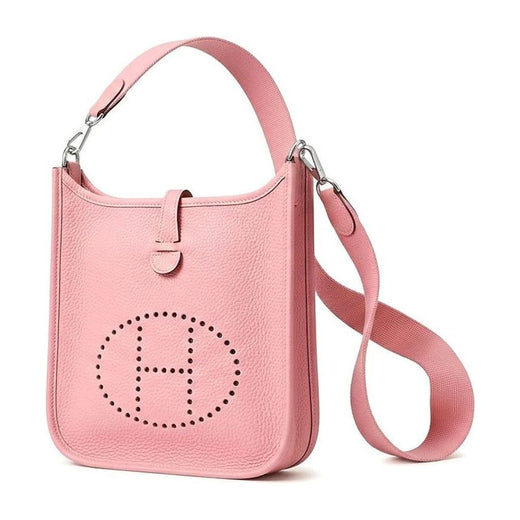
| Hermès | estampille | Oui | Sur un Birkin ou un Kelly, l'estampille se trouvait sur le dessous de la lanière de fermoir, la patte dans laquelle passe la lanière, sur toutes les pièces fabriquées avant 2015 |
| Dior | code de date | Oui | Généralement estampé au dos de l'étiquette de cuir intérieure, vous devez donc soulever ou retourner l'étiquette pour le lire |
| Gucci | numéro de série | Oui | Un sac Gucci porte deux marquages distincts, et vous devez savoir lequel vous regardez |
| Louis Vuitton | date code | Oui | Estampé ou pressé à chaud dans le cuir ou la doublure plutôt qu'imprimé sur une étiquette |
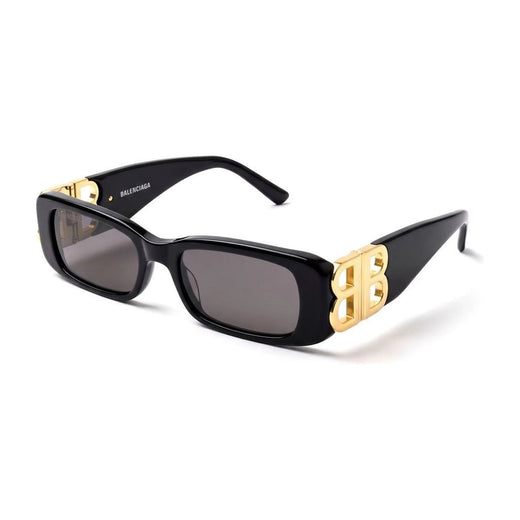
| Balenciaga | numéro de série | Oui | Sur la petite étiquette de référence intérieure, souvent derrière la grande languette en cuir du logo, dans une poche ou le long d'une couture |
| Fendi | numéro de série | Époque seulement | Au dos de l'étiquette de marque intérieure en cuir, imprimé ou gaufré sur une, deux ou trois lignes |
| Chanel | numéro de série | Époque seulement | Sur un autocollant à l'intérieur du sac, généralement sous le rabat ou dans une poche et protégé par un film transparent, souvent sur le même panneau que le tampon à chaud CHANEL MADE IN ITALY |
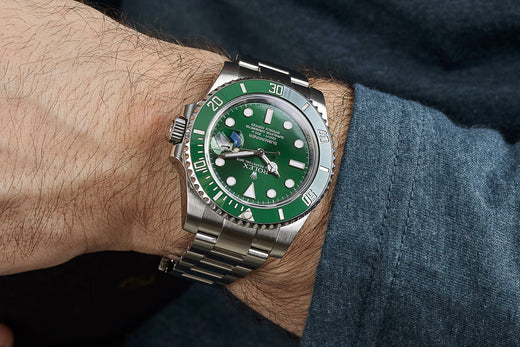
| Rolex | numéro de série | Époque seulement | Sur les montres jusqu'au milieu des années 2000, gravé entre les cornes du côté de 6 heures du boîtier, sous le bracelet, il faut donc déplacer le bracelet pour le lire |
| Coach | numéro creed | Oui | À l'intérieur du sac, sur le creed : le patch de cuir rectangulaire cousu à la doublure et portant le paragraphe Coach |
| Prada | numéro de série | Non, le code ne contient aucune date | À l'intérieur du sac, sur une petite étiquette blanche cousue dans la doublure, généralement près de la poche zippée ou le long d'une couture intérieure |
| Bottega Veneta | numéro de série | Oui | Sur une étiquette étroite, semblable à du papier, cousue dans la doublure |
| Saint Laurent | numéro de série | Oui | Sur une étiquette en cuir rectangulaire cousue dans la doublure, généralement près de la fermeture éclair supérieure et découpée dans le même cuir que le sac, ce qui la rend facile à manquer dans un intérieur sombre |
| Goyard | numéro de série | Oui | Estampillé dans le passepoil en cuir à l'intérieur du sac, et l'emplacement varie plus que chez d'autres maisons |
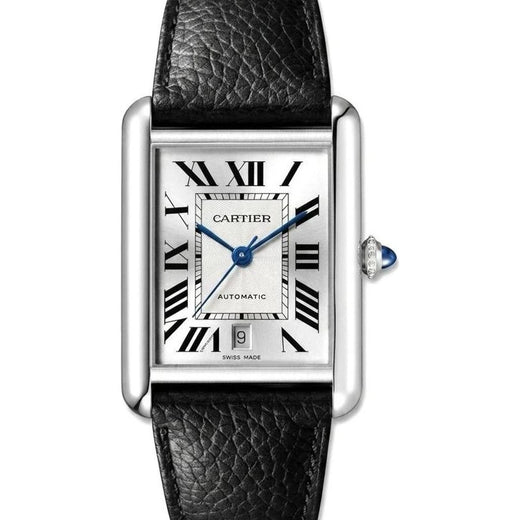
| Cartier | numéro de série | Oui | Sur presque toutes les montres Cartier, le numéro de série est gravé sur l'extérieur du fond de boîte, en bas ou autour du bord extérieur, rien n'a donc besoin d'être ouvert pour le lire |
| Omega | numéro de série | Oui | Le numéro que suivent les tableaux d'années est le numéro de série du mouvement, gravé sur un pont ou une platine à l'intérieur de la montre, le fond de boîte doit donc être retiré, ce qui relève du travail d'un horloger plutôt que de la table de cuisine |
| Panerai | numéro de série | Oui | Tout se trouve sur le fond de boîte |
| Longines | numéro de série | Oui | Le numéro que ce tableau date se trouve sur la platine du mouvement, généralement près du balancier ou sur le pont principal, le boîtier doit donc être ouvert pour le lire |
| IWC Schaffhausen | numéro de série | Oui | Le numéro que ce tableau date est le numéro du mouvement, gravé sur le pont de mouvement et lisible seulement fond de boîte ouvert, ou à travers le verre sur une montre à fond transparent |
| Jaeger-LeCoultre | numéro de série | Oui | Le numéro que ce tableau date est le numéro de série du mouvement, gravé sur la platine à côté du marquage du calibre |
| Vacheron Constantin | numéro de série | Oui | Sur une Vacheron moderne, le numéro que vous pouvez lire sans rien ouvrir est gravé sur le fond de boîte, à côté de la référence |
Ce qu'on nous demande le plus souvent à propos des codes, poinçons et marques de date, répondu par l'équipe qui les lit au quotidien.
Non. Un code est un marquage de fabrication, et les contrefacteurs copient les marquages. Bien lu, il situe une pièce dans sa série de production et écarte les contrefaçons les plus grossières, ce qui en fait un seuil minimal plutôt qu'un verdict : le cuir, la couture et la quincaillerie demandent toujours un œil exercé.
Parce que toutes les marques ne codent pas une date. Hermès, Dior et Louis Vuitton intègrent la date de production dans leurs marquages, ce qui permet d'en lire une année. Un numéro de série Prada donne le style, la matière et le lot, et n'a jamais porté de date : chez Prada, la date figurait sur la carte d'authenticité. Les fiches ci-dessus indiquent qui fait quoi, marque par marque, plutôt que d'inventer une année pour celles qui n'en ont pas.
Généralement non. Louis Vuitton est passé à une puce électronique intégrée en mars 2021, Chanel à peu près à la même période, et Hermès a déplacé la position de son estampille en 2015. Le plus souvent, c'est simplement le mauvais endroit, ou un article récent.
Parce que pour la plupart des marques, il n'y a rien à vérifier. Un outil qui renvoie une année à partir d'un code qui n'en contient aucune n'est qu'une supposition déguisée en réponse, et plusieurs vérificateurs publiés font exactement cela. Une marque n'apparaît ci-dessus qu'une fois des données de référence vérifiées en place, ce qui rend cette liste volontairement plus courte que celle des marques que notre équipe authentifie.
De documents de référence professionnels sur l'authentification, recoupés avec des exemplaires datés et vérifiés en interne. Lorsque les sources se contredisent, la page le signale.
Cela dépend de la marque, et souvent de l'époque. La page de chaque marque indique où regarder, ce qui est généralement la réponse quand quelqu'un pense que son article ne porte aucun marquage.
Seulement indirectement. Il situe la production dans une époque, et les versions d'un même modèle peuvent effectivement différer en valeur. Il ne dit rien sur l'état, l'intégrité ou la demande.
Vérifiez quelle partie du marquage cette personne a lue. Plusieurs vérificateurs publiés comptent les lettres en suivant l'alphabet de façon linéaire, ce qui n'est plus correct pour Hermès depuis 2014.
Aucune, en pratique. C'est la même idée sous des noms différents : un marquage que le fabricant apporte à un article pour indiquer ce qu'il est et quand il a été fabriqué. Louis Vuitton et Dior l'appellent date code, Gucci et Prada l'appellent numéro de série, Hermès grave une seule lettre dans le cuir et l'appelle estampille. La page qu'il vous faut est celle de votre marque, pas celle qui correspond aux mots que vous avez recherchés.
Non, et c'est pourquoi il existe ici vingt vérificateurs distincts plutôt qu'un décodeur universel. Chaque maison a conçu son propre système, plusieurs l'ont changé plus d'une fois, et certaines ne codent aucune date du tout. Une case unique qui prétendrait lire le code de n'importe quelle marque devrait deviner pour la plupart d'entre elles. Le tableau ci-dessus indique quelles marques donnent une année et lesquelles n'en donnent pas, avant même que vous ne tapiez quoi que ce soit.
Un code permet de restreindre les possibilités. Ces guides couvrent ce qu'il ne peut pas : la couture, la quincaillerie et le cuir, marque par marque. Anton K., notre auteur de guides depuis 2019, fonde chaque méthode sur ce que nos authentificateurs ont documenté sur plus de 2 millions d'articles réels. Parcourez la bibliothèque complète de guides gratuits qui couvre plus de 100 marques de luxe.
11 Methods
 13 Methods
 2 Methods
7 minutes read.
 5 Methods
10 minute read.
 11 Methods
 11 Methods
 11 Methods